On the Indian Muslim Experience
Indian Muslim Voices
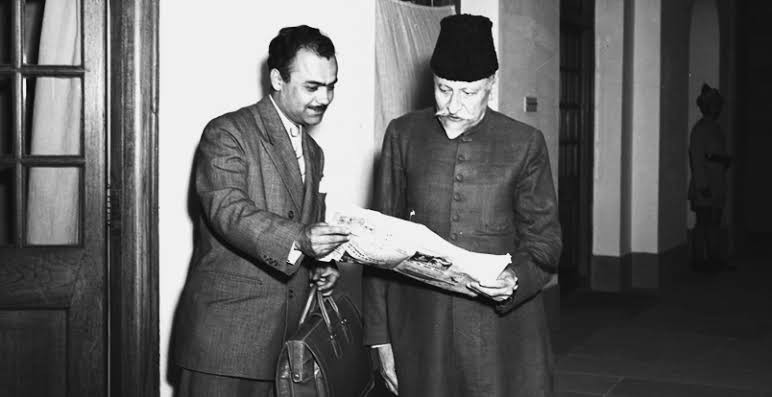 “These bright etchings which you see all around you are relics of processions of your forefathers”
Maulana Abul Kalam Azad's Jama Masjid Speech, October 1947
“Where are you going and why? Raise your eyes. The minarets of Jama Masjid want to ask you a question. Where have you lost the glorious pages from your chronicles? Was it only yesterday that on the banks of the Jamuna, your caravans performed wudhu? Today, you are afraid of living here. Remember, Delhi has been nurtured with your blood.”
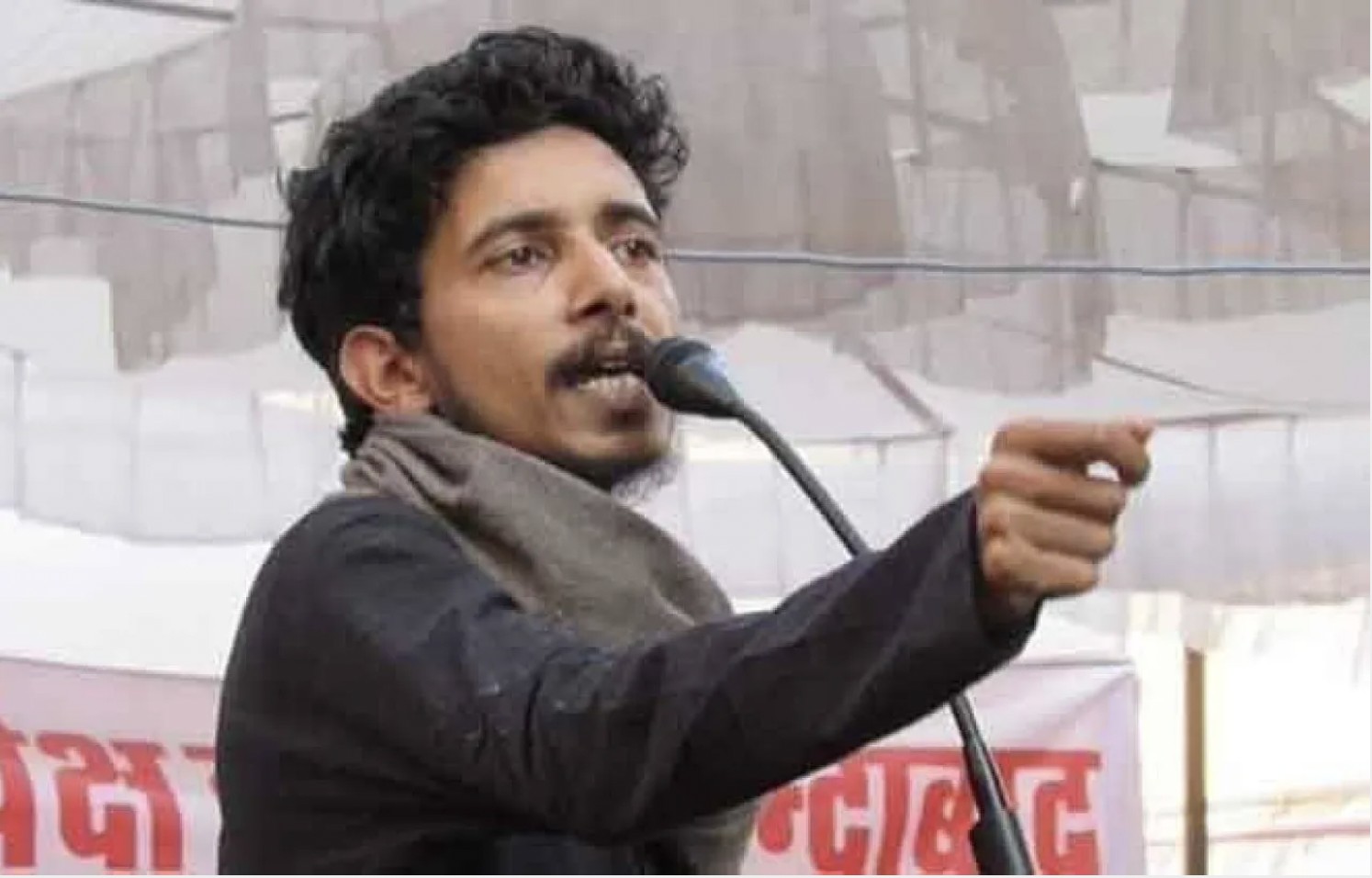 “Let me be heard as a mere Muslim youth”
Sharjeel Usmani's speech at Elgar Parishad
“They said that India is one community, one nation. Whoever has the power to define the community, the nation will decide how the nation will run, who will have power in the nation and who will get the rights. Until now, the hegemony of this country was with those who are in authority today. We and all the other oppressed communities of this nation should come together and snatch that hegemony from them and remind them that this country belongs to us, not them.”
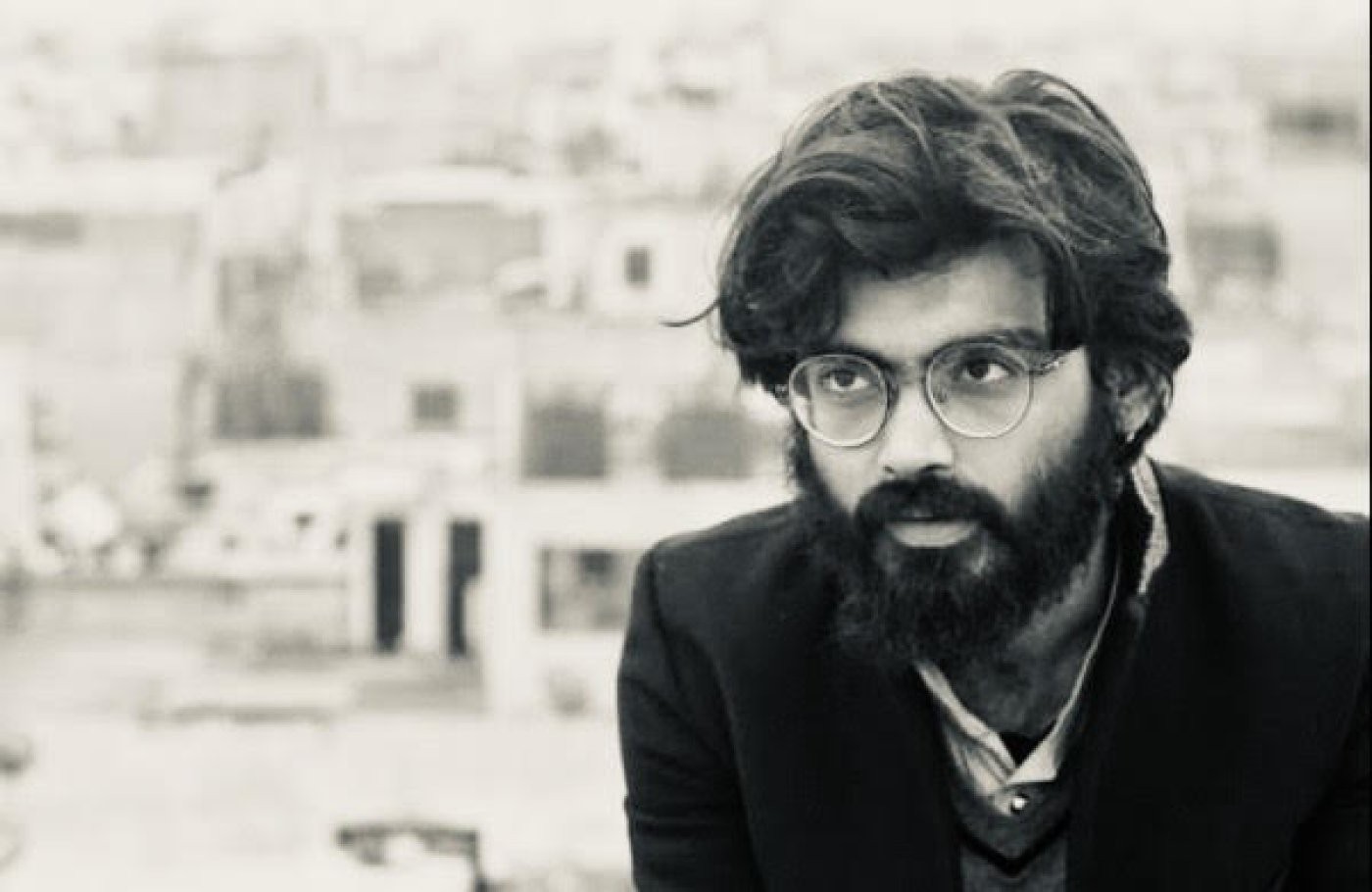 On Islamic modernism, Jinnah, democracy, and the systemic exclusion of Muslims in India
Sharjeel Imam's letter from Tihar Jail
“Disruption is the keyword; the masses can establish democracy and leverage through disruption. It is clear to me that I, along with others, pointed towards a productive line of resistance. It gives me immense pleasure to say that people responded to this call. I was surprised to find out my speeches as well as my writings translated into many languages by Muslim activists, Bengali, Tamil, and Malayalam to name a few... It shows that our message has resonated with minorities—whether Muslim, Hindu, Sikh, Christian, or others, victims of majoritarianism in their own countries—across South Asia and beyond.”
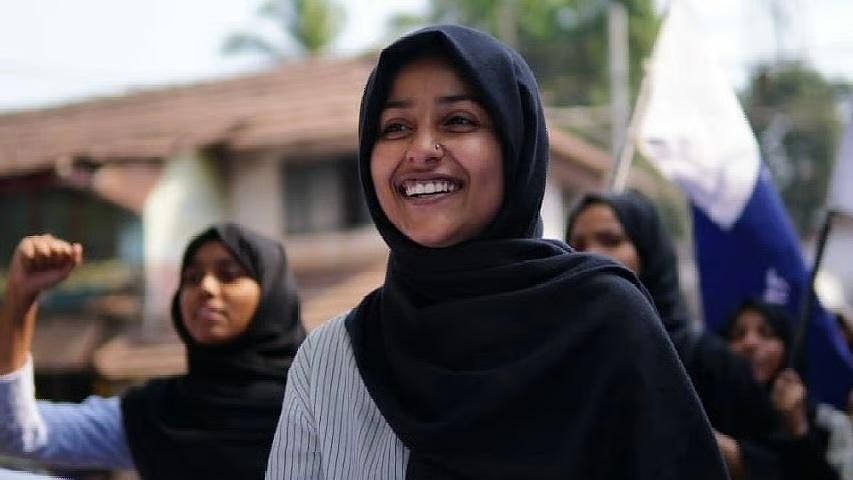 Writing from the Rubble: On Researching the Violence of Demolition That Broke My Own Home
Afreen Fatima for the Polis Project
“As a young Muslim woman in India, born and raised in a modest house, home to me was where my family gathered for Eid, where the walls were etched with children’s pencil marks, and where the kitchen smelled of cardamom and fried onions every evening. That home was completely demolished by authorities as a form of punishment, ostensibly because of a legal violation. In the official narrative, we became residents of an ‘illegal construction’ overnight. However, we were made examples of because of who my family and I are and what we represent. In the eyes of the authorities, I faced scrutiny both as a woman and as a part of the Muslim community that is most frequently targeted by bulldozer demolitions. When the police arrived at my home, male officers and mediapersons rifled through my personal belongings with a kind of casual violation. It was a reminder that in the hierarchy of power, I was doubly ‘othered’.”
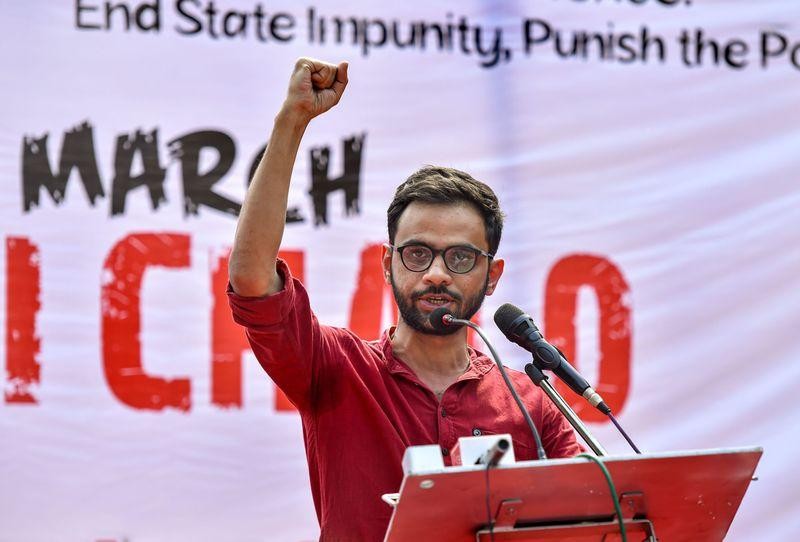 “If they beat us with lathis, we will hold aloft the tricolor”
Umar Khalid's Citizenship Amendment Act (CAA) protest speech, Amravati, Maharashtra
“People shouldn't be afraid of their government; the government should be afraid of its people. It is because of our votes that governments are formed. If they are there because of us, we can also remove them from power. Look at their audacity - they came to power through the votes of the people, and now they are asking us to prove our citizenship. Who are you? Because of our votes, you are sitting in power. You are there because of us, we are not here because of you. You can't raise questions on our citizenship. If you raise questions on our citizenship, if you cross the line of the Constitution, if you cross the line, then, just like the Daadis of Shaheen Bagh, we promise that we will bring you in line.”
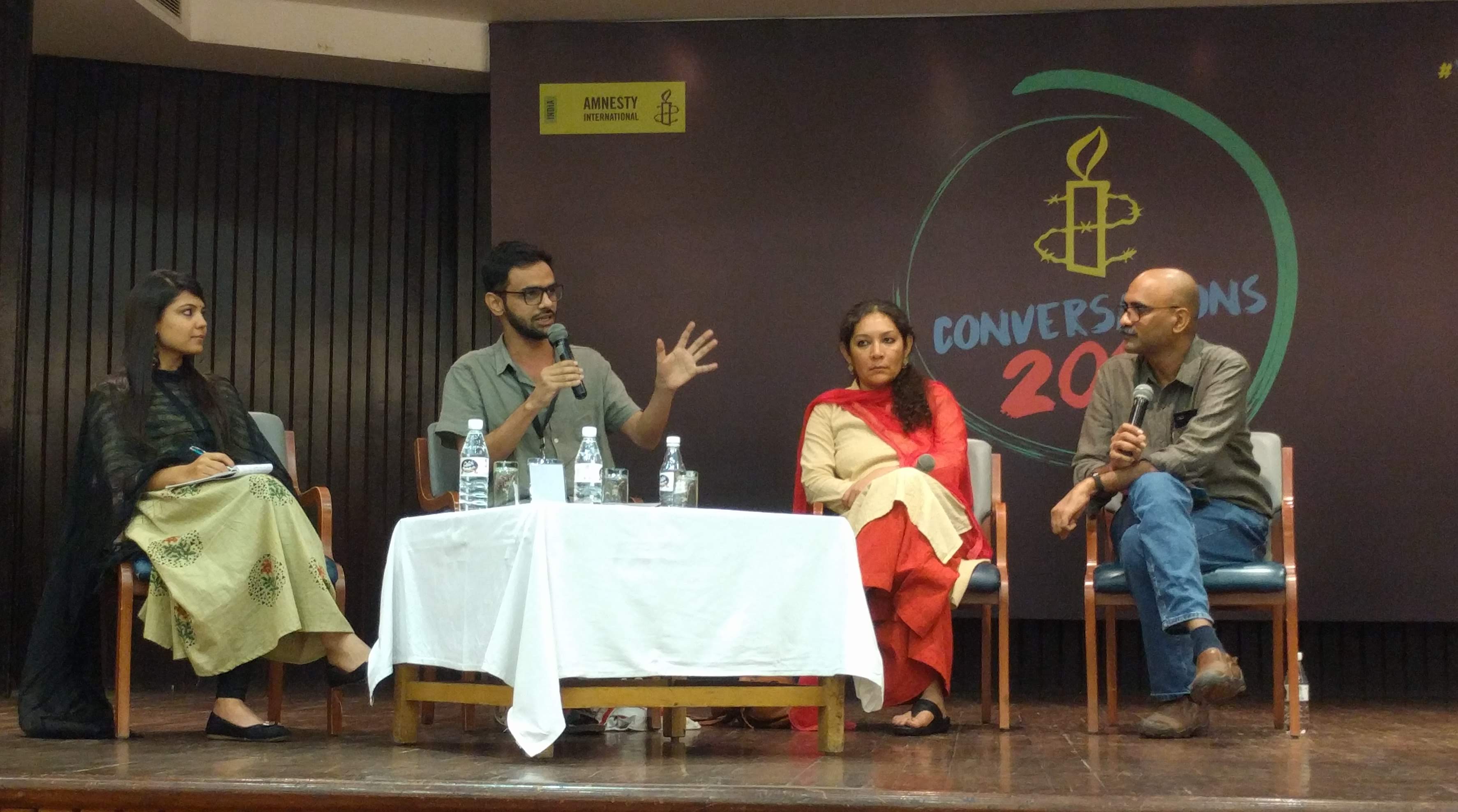 “Is it my fault that I say India is mine as much as it is yours?”
Umar Khalid's arrest message
“Today, the executive is trying to divide us and anyone who dares to speak against this politics of division: they are intimidated, they are cornered, and they are jailed in order to curb their voice. They are trying to scare us, but as a consequence, they are also trying to scare you. They are silencing us and putting us behind bars of jails, but they are also putting you behind bars of fear and falsehood.”
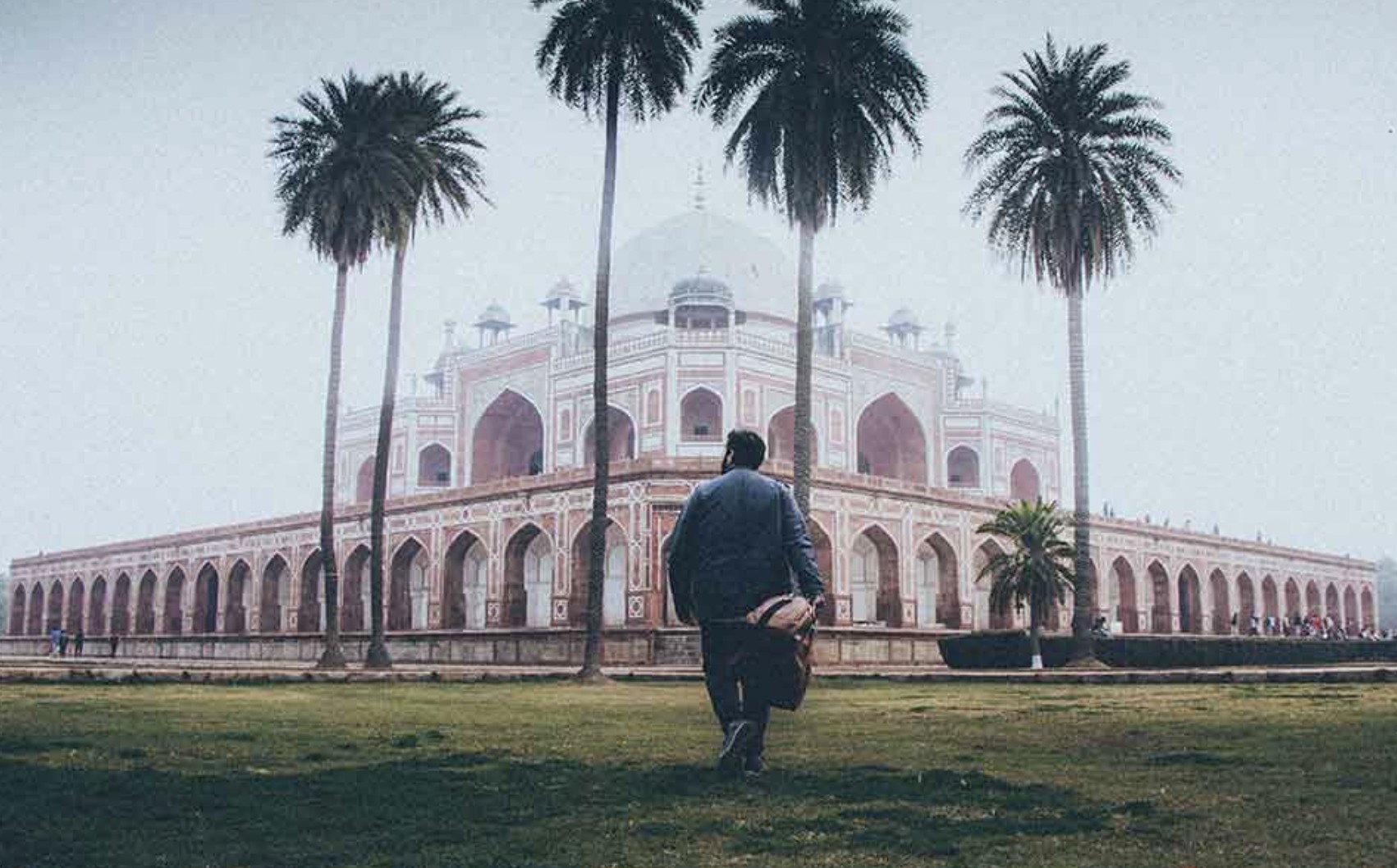 Hindustani Musalmaan (Poem)
Hussain Haidry on what it means to be an Indian Muslim
“What kind of Muslim am I, bhai? I know I’m an Indian Muslim.”
Articles
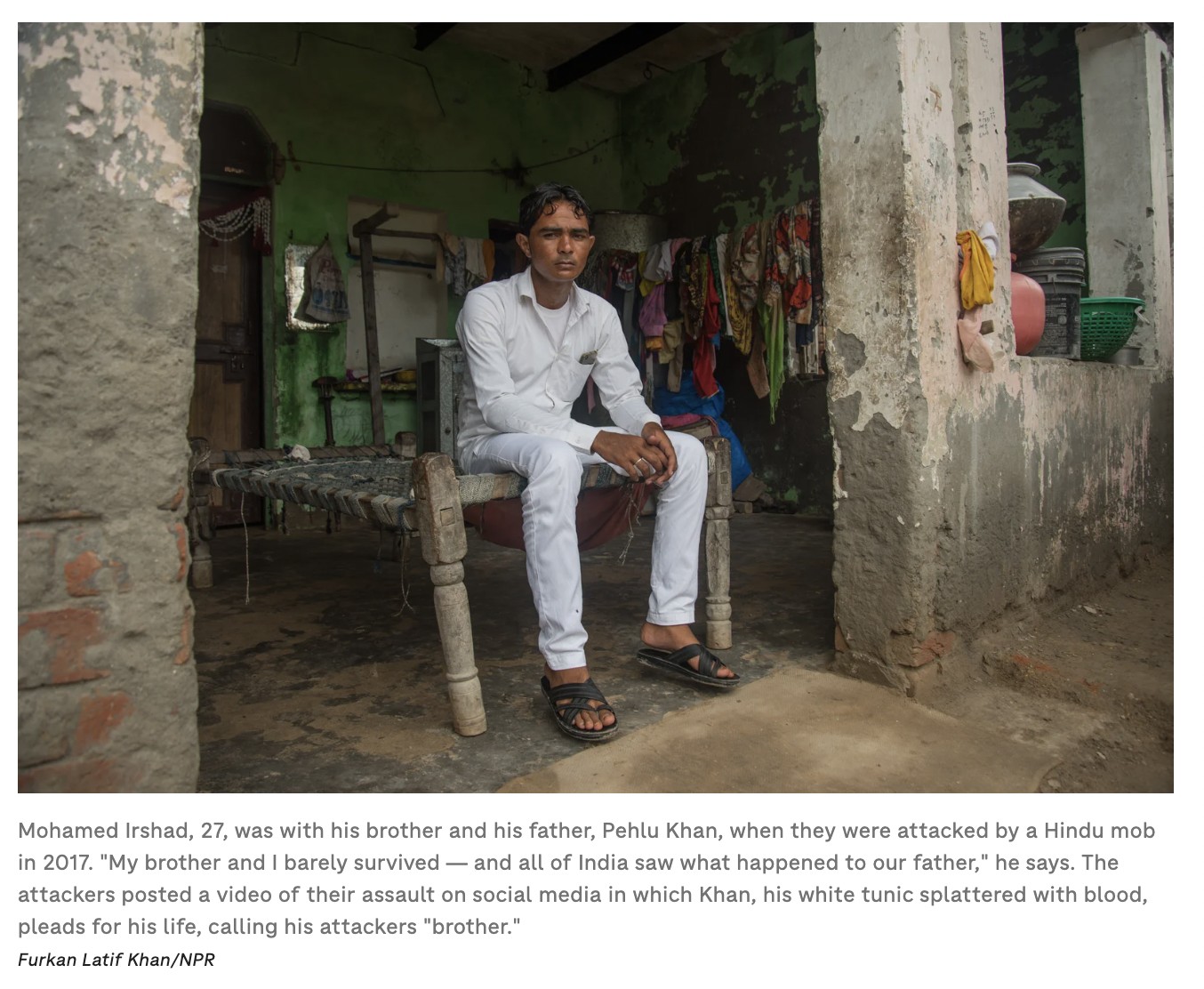 'This Is It. I'm Going To Die': India's Minorities Are Targeted In Lynchings
Lauren Frayer for NPR
“Last year, a long-distance truck driver, Mohammad Hashim, was hauling a load of refrigerators out of New Delhi when a dozen strangers on motorbikes forced him off the road. They pulled him out of his truck and demanded he open the back. They wanted to see if Hashim was transporting cows or beef — which is illegal in many Indian states, because cows are sacred in Hinduism, the majority religion in India. ‘But I'm just the driver, and I'm not allowed to open the back of the truck. It was locked,’ Hashim, 45, recalls. ‘So they pulled on my beard and tried to force me to chant ‘Jai Shri Ram.’”
- Thousands of mosques targeted as Hindu nationalists try to rewrite India's history
Hannah Ellis-Petersen for The Guardian
“Mosques have begun to be caught up in a wide-ranging project under the BJP to rewrite India’s history according to Hindutva ideology. The version of history now propagated by BJP leaders, government-backed historians and school curriculums is that of an ancient Hindu nation oppressed and persecuted for hundreds of years by ruthless Muslim invaders, particularly the Islamic Mughal empire that ruled from the 16th to the 19th century.”
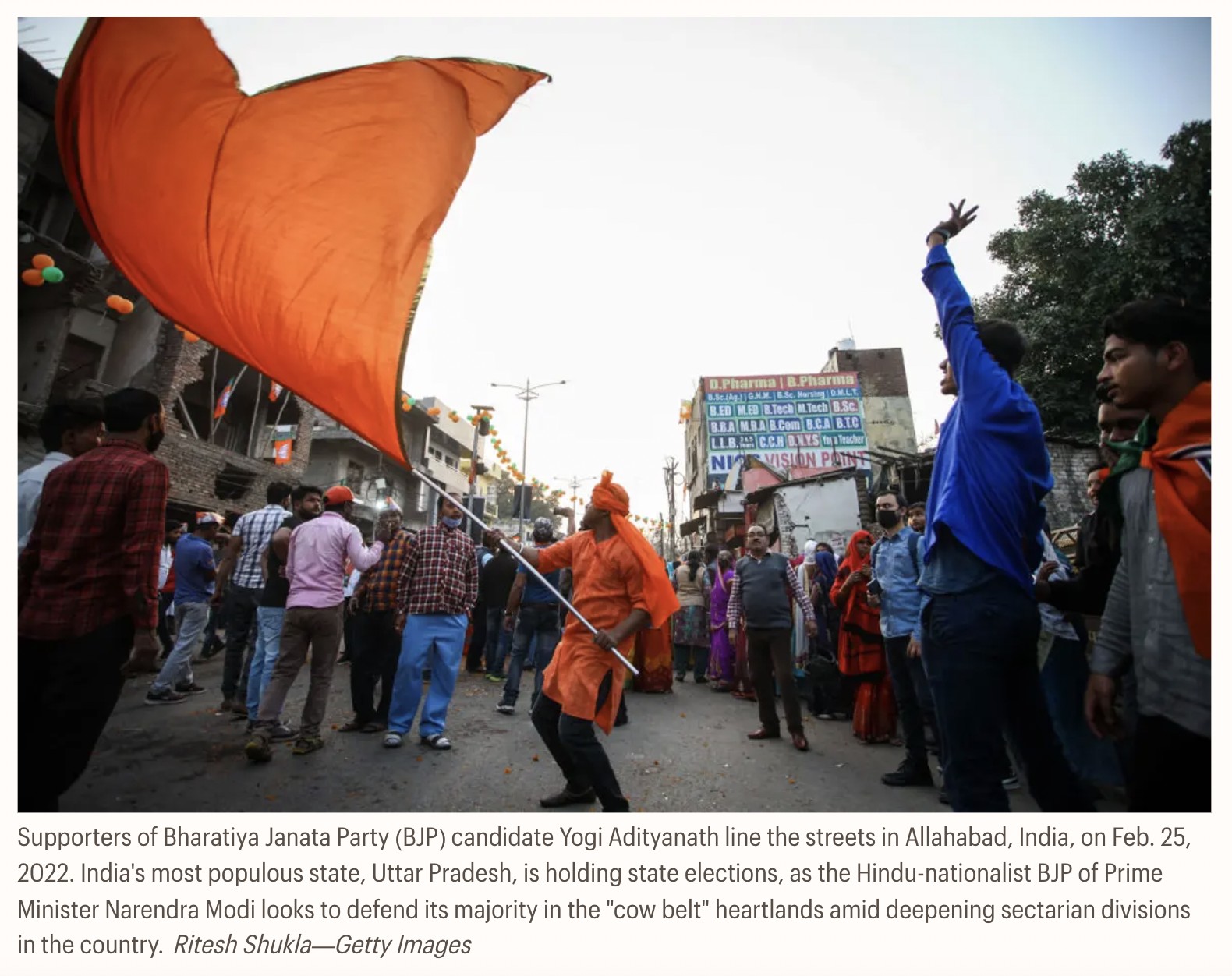 Hindutva Pop Is the New Soundtrack to the Anti-Muslim Movement in India
Hanan Zaffar and Danish Pandit for TIME Magazine
“Recently, Hindutva pop has also been blamed for instigating violence. Syed Zubair Ahmad, founding editor of Muslim Mirror, an independent media organization that tracks cases of violence against Muslims in India, believes the music normalizes the dehumanization of Muslims in India and encourages listeners to commit violence. ‘They are making people inure to the violence that accompanies these songs.’ ‘Hinduo kaa hae Hindustan, Mullo jaao Pakistan’ (India is a land of Hindus, Muslim preachers should go to Pakistan) is a line from one of Krishnavanshi’s hits, which YouTube pulled from his official channel but hasn’t been able to completely remove from the platform as it continues to be reuploaded by others.”
- ‘Bulldozer justice’: The survivors of India's forced demolitions of Muslim shanty towns
Balsher Singh Tiwana for Lacuna Magazine
“Someone screamed. Someone ran. Someone lost grip of a child. The day blurred in her memory. It may have been the twenty-eighth or the twenty-ninth of April, but time held no meaning once the destruction began. Hapizabanu held the blue doorframe as the first house gave way. Bricks collapsed like brittle shells and the roofs folded inward. The warning had spread hurriedly through the community before the demolition began. Not enough time to save a home. Not enough time to gather a life.”
Papers & Reports
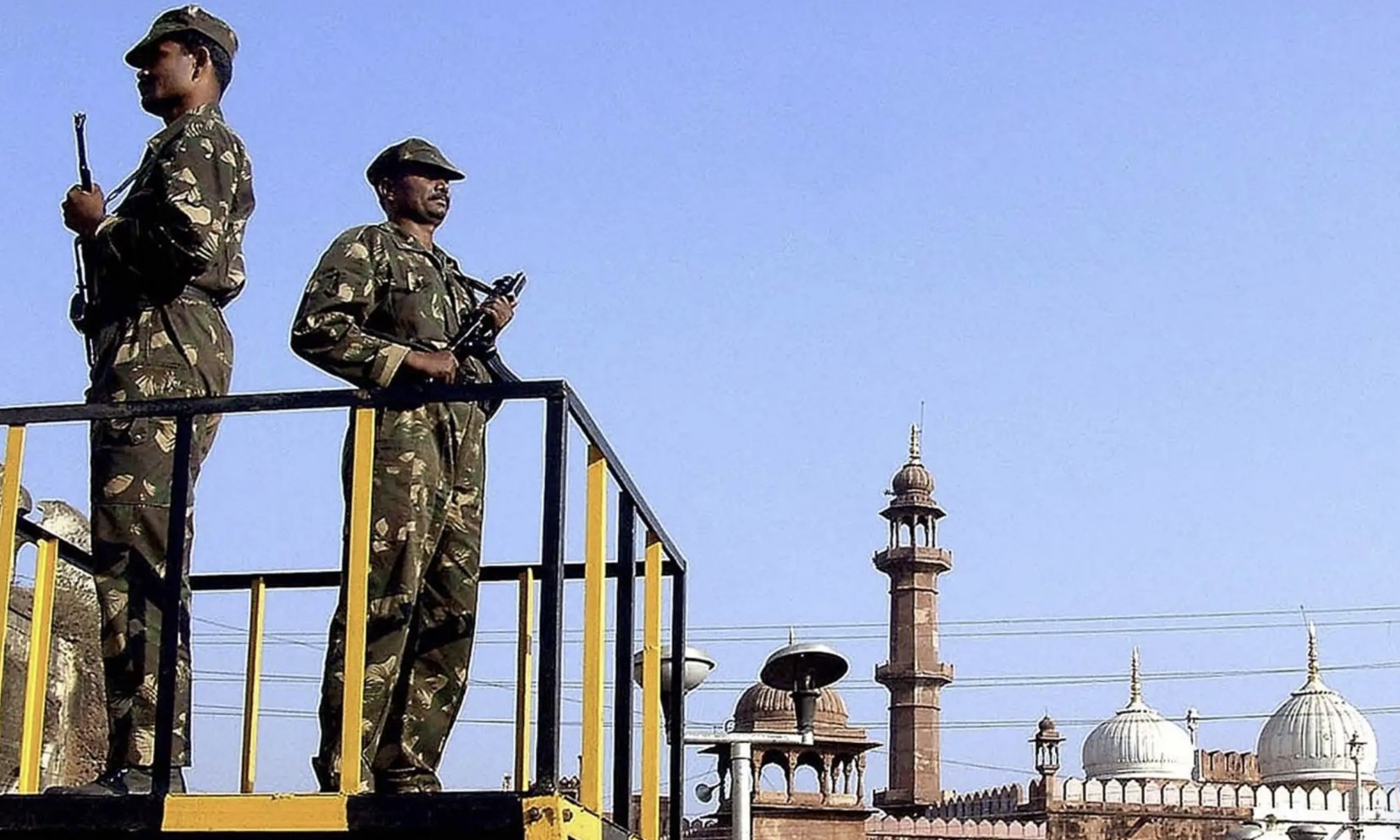 Hindutva and Anti-Muslim Violence: How to Navigate Hindu Supremacy
Safa Ahmed for Yaqeen Institute
“At its core, Hindutva is not about Hindus at all. It does not argue for the rights of Hindu oppressed castes, women, or tribals. Instead, it posits the Hindu identity solely as a reaction to other religious identities, one where Hindu pride and strength is drawn from the violent subjugation of Indian Muslims and Christians. In other words, it aims to exact revenge for Mughal rule and Christian proselytization upon the followers of ‘foreign’ Abrahamic faiths in India today, framing this subjugation as a clash of civilizations rather than the lashing out of an insecure and radicalized Hindu population.”
Books
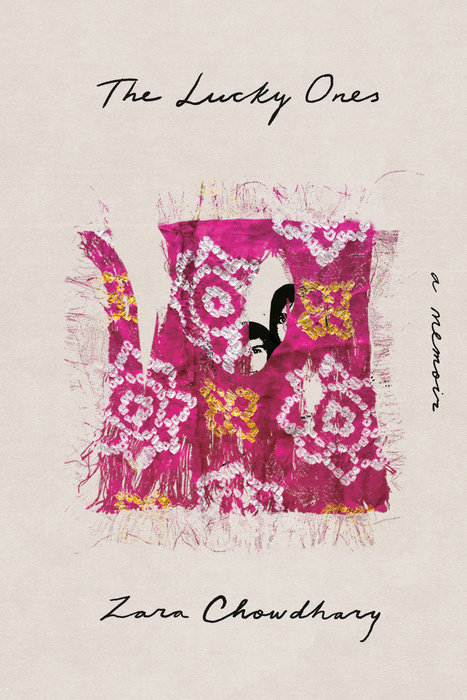
The Lucky Ones
by Zara Chowdhary
In 2002, Zara Chowdhary was sixteen years old and living with her family in Ahmedabad, one of India's fastest-growing metropolises, when a gruesome anti-Muslim pogrom upended her world. Instead of taking her school exams, she is put under a three-month lockdown with thousands of others, fearing for their community and their lives. Chowdhary weaves the past and the present of her multigenerational Muslim family, juxtaposing the horrific violence of rising fascistic forces on the streets with the more mundane violence of patriarchal Indian joint families at the dinner table. Through the stories of sisters, daughters, and mothers raising each other, Chowdhary shows how women hold this world together with their ability to forgive, find laughter, and offer grace even as the world they know, and their place in it, is falling apart.
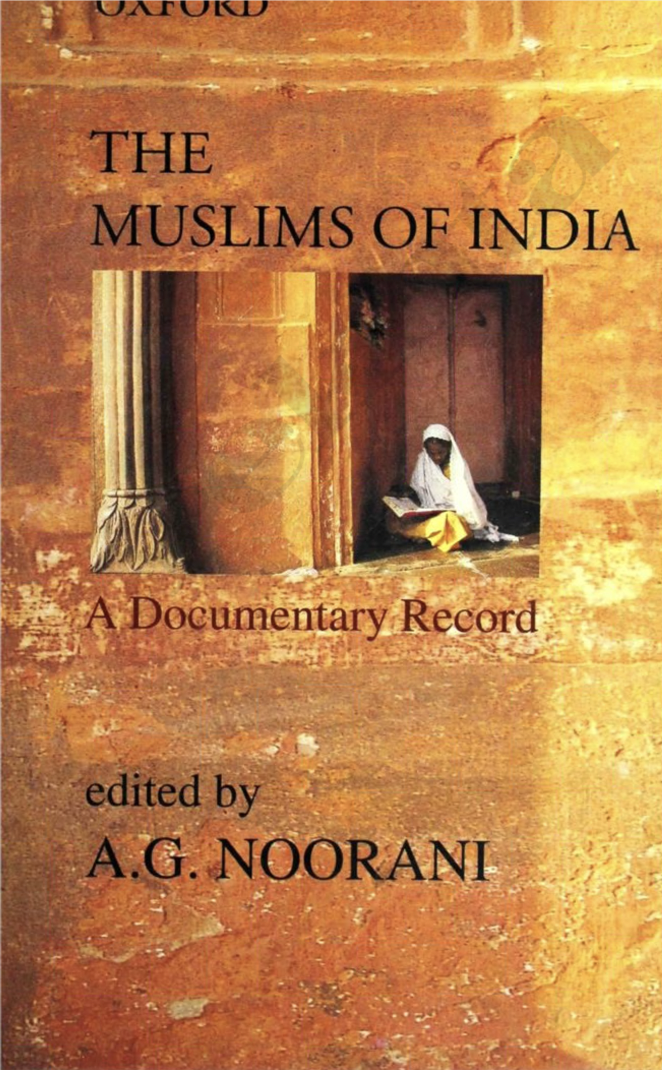
The Muslims of India: A Documentary Record
by edited by A.G. Noorani
A primary-source collection documenting Indian Muslim political life both pre- and post-independence.
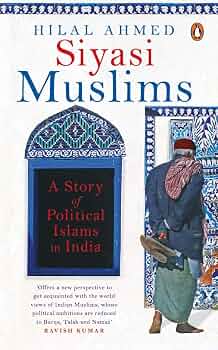
Siyasi Muslims: A Story of Political Islams in India
by Hilal Ahmed
Examining the everydayness of Muslims in contemporary India, Hilal Ahmed offers an evocative story of politics and Islam in India, which goes beyond the given narratives of Muslim victimhood and Islamic separation.
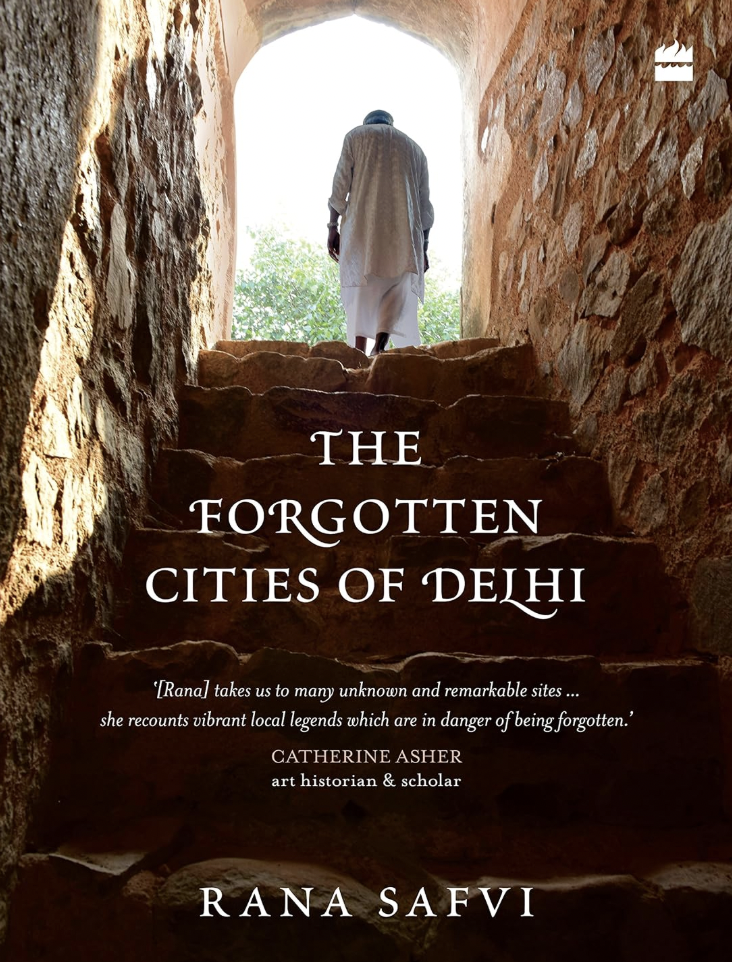
The Forgotten Cities of Delhi
by Rana Safavi
This book takes readers on exploratory trails of the remains of Delhi's cities, monuments and tombs that have survived the onslaught of urbanization and apathy and gives us a soulful introduction to their histories, blending narrative with stirring Sufi couplets.
Watch & Listen
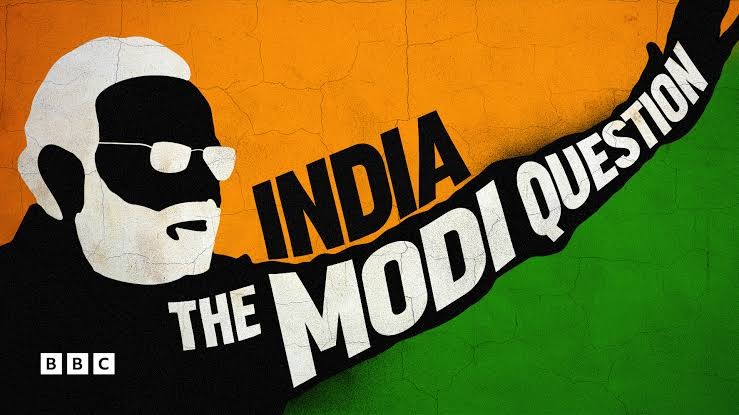
India: The Modi Question (2023)
This two-part documentary series by the BBC was banned in India in 2023 due to its critical look at Prime Minister Narendra Modi's role in the 2002 Gujarat pogrom, as well as the impact of his regime on Muslims across India.
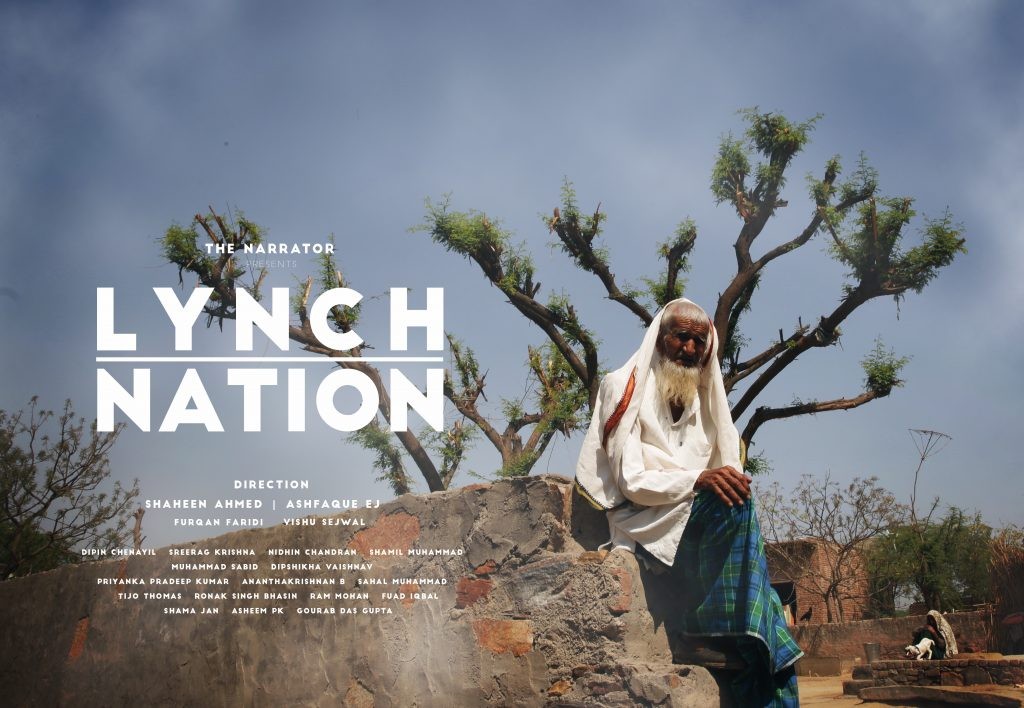
Lynch Nation (2018)
A relentless journey across Uttar Pradesh, Haryana, Gujarat, Rajasthan and Jharkhand, this independent film documents the aftermath of a spate of mob-lynching of minority communities at a time of rising cow vigilantism and Hindu nationalism in India. It records the heart-rending testimonies of eight families affected by these incidents, which have wrenched them apart and had ripple effects of fear and uncertainty against this increasing brutality.
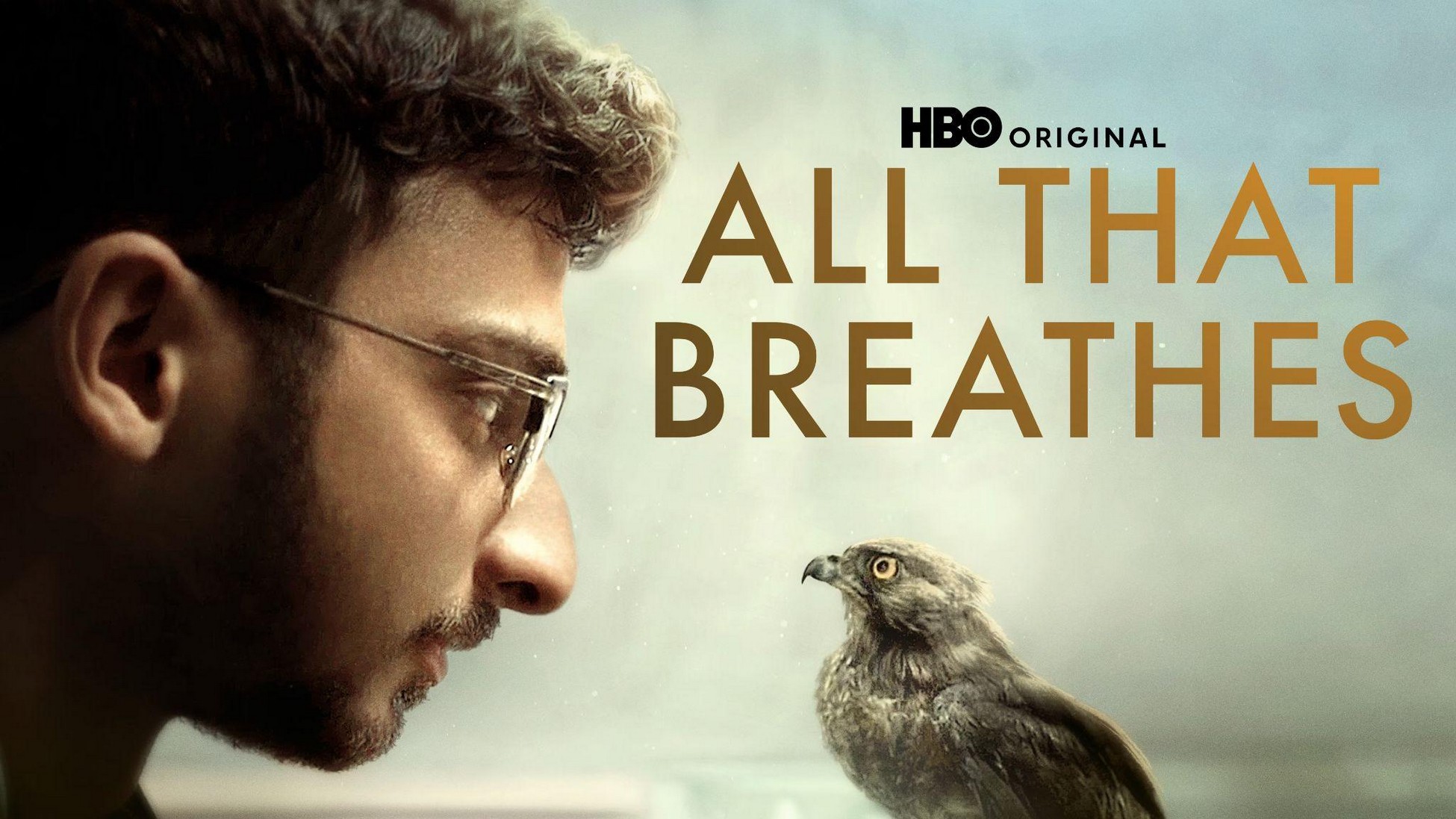
All That Breathes (2022)
In one of the world's most populated cities, cows, rats, monkeys, frogs, and hogs jostle cheek-by-jowl with people. Here, two brothers fall in love with a bird - the black kite. From their makeshift bird hospital in their tiny basement, the “kite brothers” care for thousands of these mesmeric creatures that drop daily from New Delhi's smog-choked skies. As environmental toxicity and civil unrest escalate, the relationship between this Muslim family and the neglected kite forms a poetic chronicle of the city's collapsing ecology and rising social tensions.
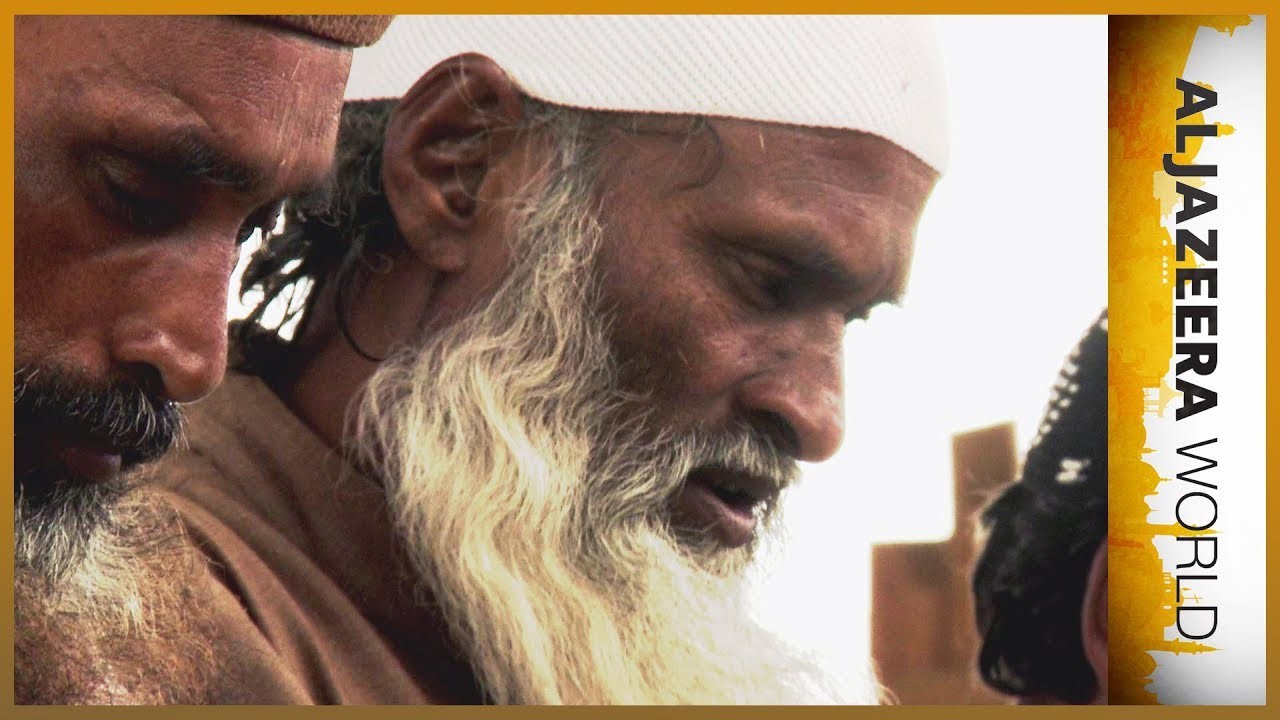
Dalit Muslims of India (2015)
With Dalits continuing to face prejudice and discrimination within their own communities, some try to find social acceptance by converting to Buddhism, Christianity, Sikhism or Islam. But conversion is not simply a way out - prejudices still carry over into other religions. Set primarily in Mumbai and in the Madhya Pradesh countryside, this film provides an insight into conversion to other religions - the social reformer and principal architect of the Indian constitution, BR Ambedkar, was born a Dalit and converted to Buddhism and many followed in his footsteps - and the processes for finalising conversions.
Have a recommendation?
Send us the books, films, and writing that shaped your understanding of the Indian Muslim experience — we're building this list with our community.
Share a Resource →