On Indian & South Asian History
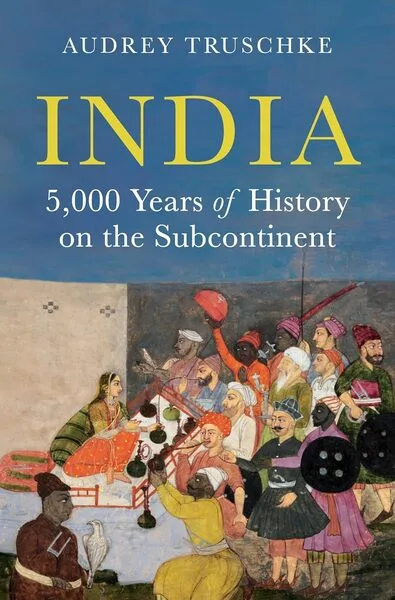
India: 5,000 Years of History on the Subcontinent
by Audrey Truschke
Much of world history is Indian history. A sweeping account of five millennia, from the dawn of the Indus Valley Civilization to the twenty-first century, this book chronicles the most important political, social, religious, intellectual, and cultural events. And throughout, it describes how the region has been continuously reshaped by its astonishing diversity, religious and political innovations, and social stratification.
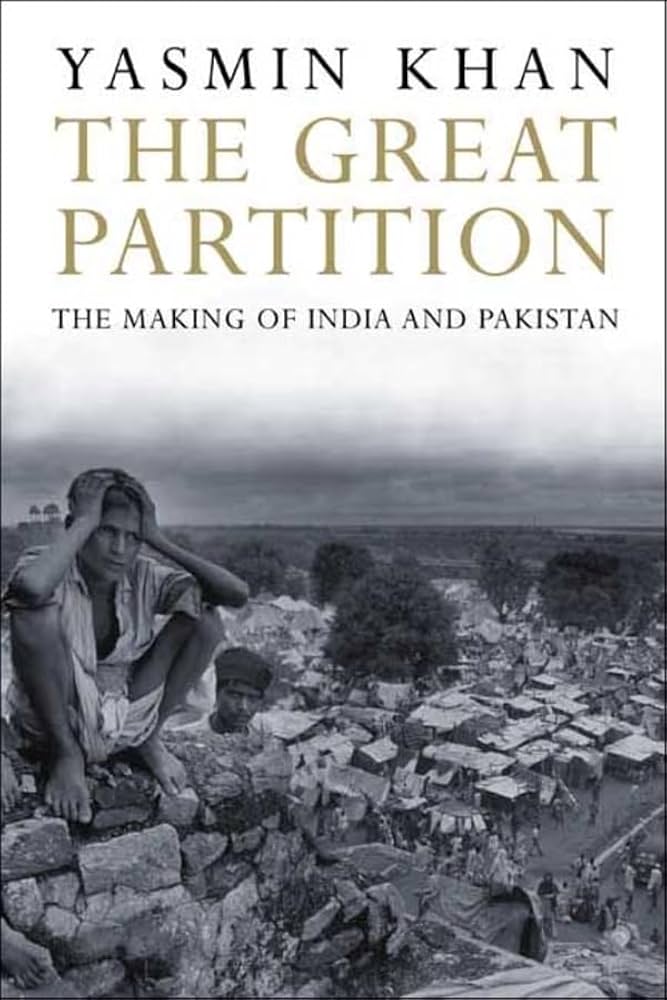
The Great Partition: The Making of India and Pakistan
by Yasmin Khan
The Partition of India in 1947 promised its people both political and religious freedom—through the liberation of India from British rule, and the creation of the Muslim state of Pakistan. Instead, the geographical divide brought displacement and death, and it benefited the few at the expense of the very many. Yasmin Khan examines the context, execution, and aftermath of Partition, weaving together local politics and ordinary lives with the larger political forces at play.
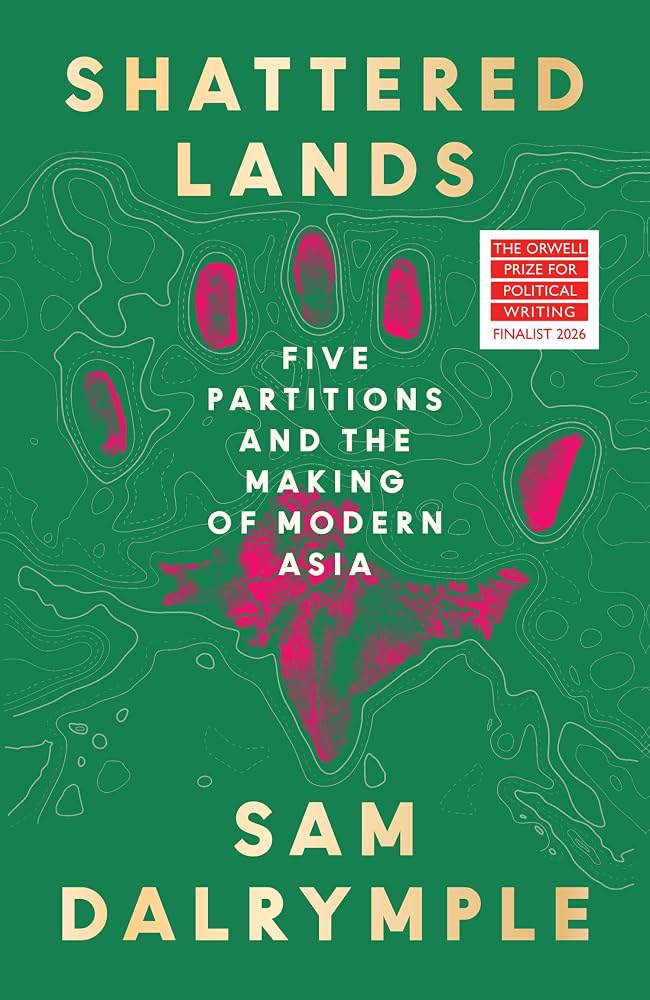
Shattered Lands: Five Partitions and the Making of Modern Asia
by Sam Dalrymple
As recently as 1928, a vast swathe of Asia – India, Pakistan, Bangladesh, Burma, Nepal, Bhutan, Yemen, Oman, the UAE, Qatar, Bahrain and Kuwait – were bound together under a single imperial banner, an entity known officially as the ‘Indian Empire’, or more simply as the Raj. And then, in the space of just fifty years, the Indian Empire shattered. Five partitions tore it apart, carving out new nations, redrawing maps, and leaving behind a legacy of war, exile and division. Shattered Lands presents the story of how the Indian Empire was unmade: how a single, sprawling dominion became twelve modern nations.
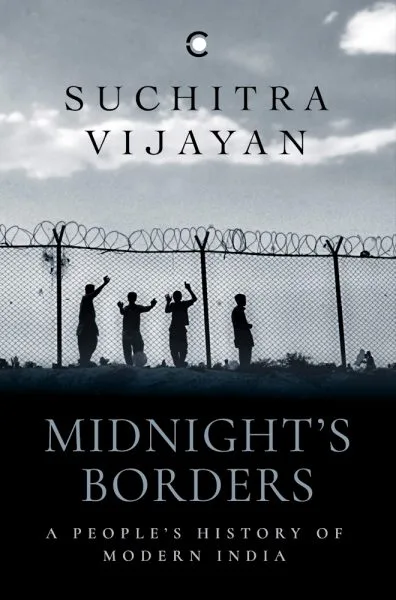
Midnight's Borders: A People's History of Modern India
by Suchitra Vijayan
Author Suchitra Vijayan tells the stories of those living along India’s borderlands: from children playing a cricket match in no-man's-land, to an elderly man living in complete darkness after sealing off his home from the floodlit border; from a woman who fought to keep a military bunker off of her land, to those living abroad who can no longer find their family history in India.
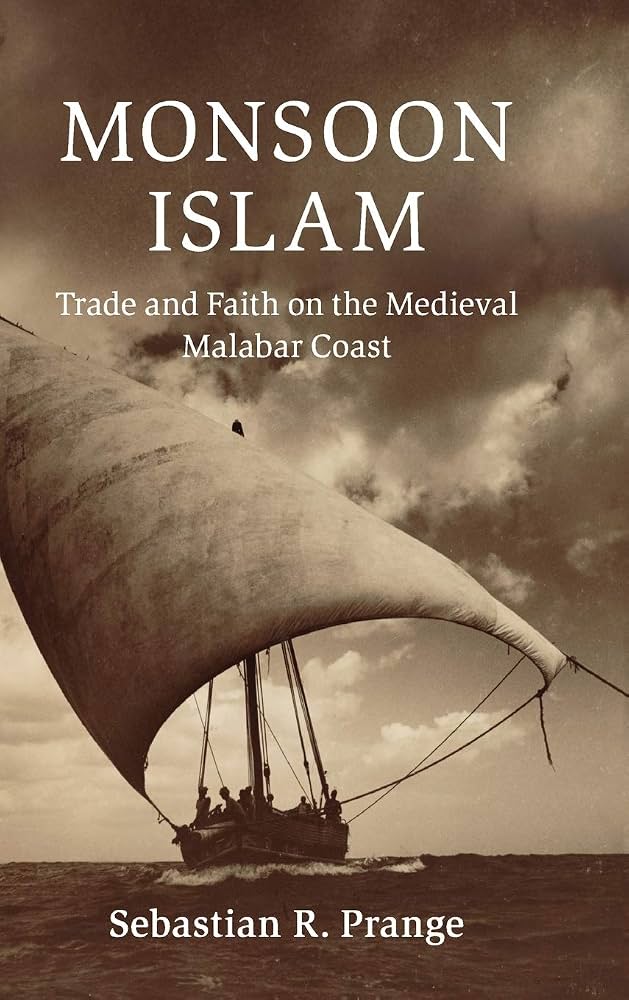
Monsoon Islam: Trade and Faith on the Medieval Malabar Coast
by Sebastian Prange
Between the twelfth and sixteenth centuries, a distinct form of Islamic thought and practice developed among Muslim trading communities of the Indian Ocean. Sebastian R. Prange argues that this 'Monsoon Islam' was shaped by merchants as opposed to sultans, forged by commercial imperatives rather than in battle, and defined by the reality of Muslims living within non-Muslim societies. Focusing on India's Malabar Coast, the much-fabled 'land of pepper', Prange provides a case study of how Monsoon Islam developed in response to concrete economic, socio-religious, and political challenges.
Have a recommendation?
Send us the books that shaped your understanding of Indian history — we're building this list with our community.
Share a Resource →