Hindutva & Indian Democracy
Articles
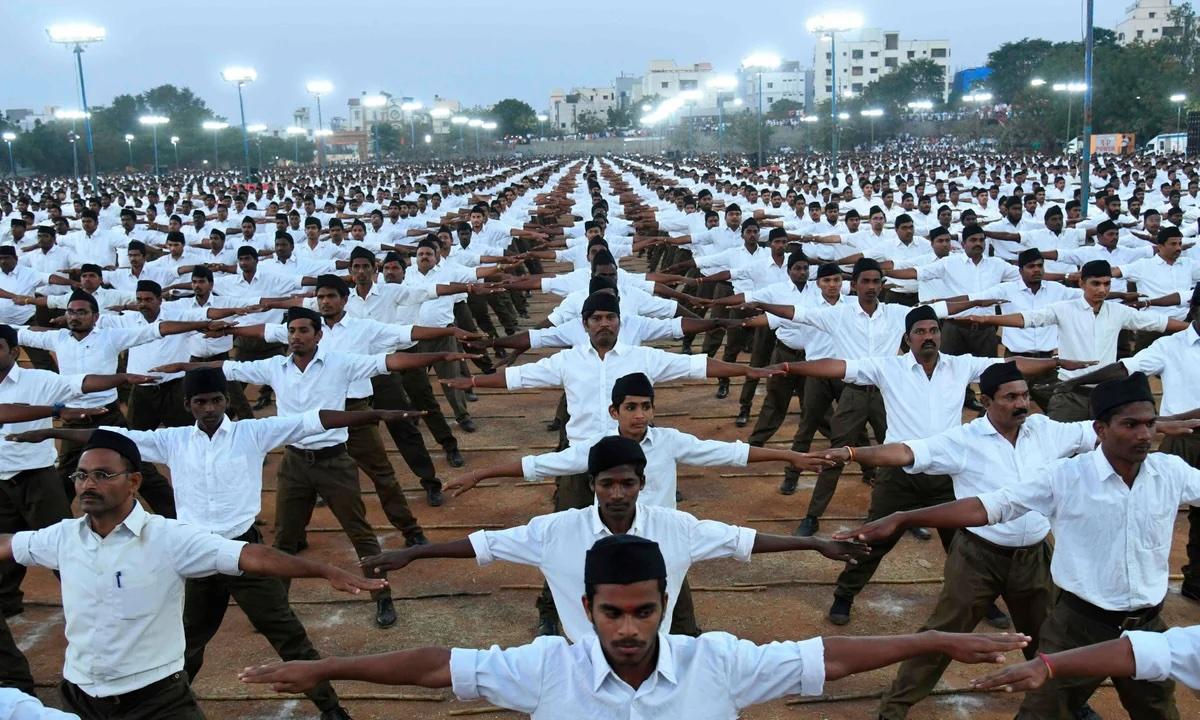 How Hindu supremacists are tearing India apart
Samanth Subramanian for The Guardian
“India can appear to be inured to injustices – the miscarriages of law, the iniquities of wealth and caste, the venality, the wounds and bruises to the body politic. What it still resists is any attempt to claw into the body and rearrange its very bones – its constitution. Nehru, Ambedkar and the other framers of India’s constitution engineered the country to be a liberal, secular democracy. Until recently, that idea had come to seem so impossible to dislodge that even patently unsecular politicians feel compelled to pay lip service to it. ‘Secularism is an article of faith for us,’ Modi said during his 2014 campaign. By then, as an RSS member, he’d already been committed to the concept of a Hindu nation for 43 years.”
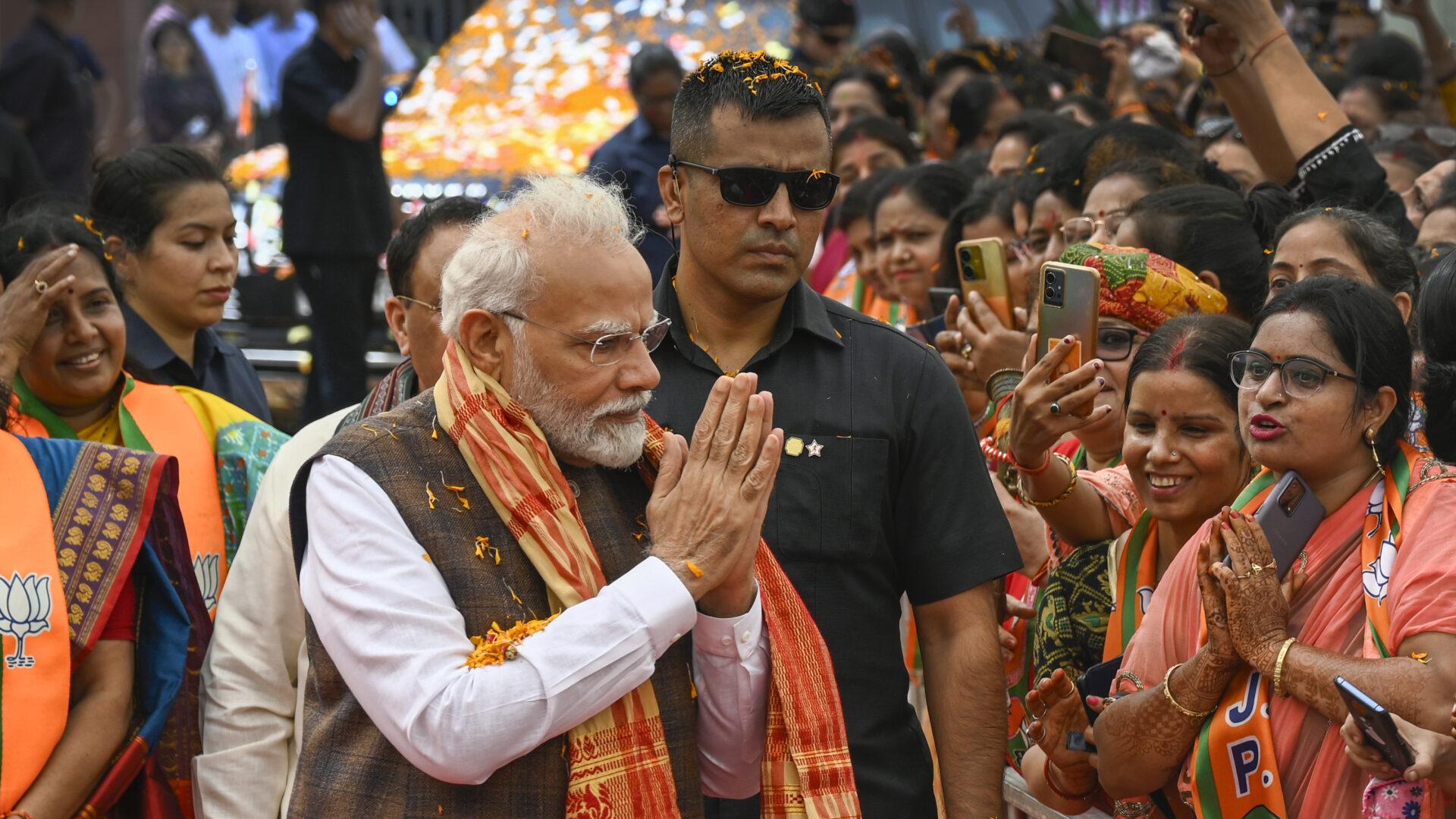 Hindu Nationalism and the New Jim Crow
Ashutosh Varshney and Connor Staggs for Journal of Democracy
“Similarity marks even the methods deployed: exclusionary laws, segregation, and vigilante violence. Just as in the Jim Crow South a combination of state-level election victories and extralegal methods was deployed to deprive blacks of their rights, Hindu nationalism is using both legislative power and extralegal methods to subdue Muslims. Vigilante violence, condoned or supported by the state, has been on the rise since Modi and his party came to power. In short, elections are being used to create legislatures that pass anti-Muslim laws, while street-level vigilantism supports the formal politics of exclusion. This was also how democracy worked in the American South after Reconstruction collapsed in the late 1870s.”
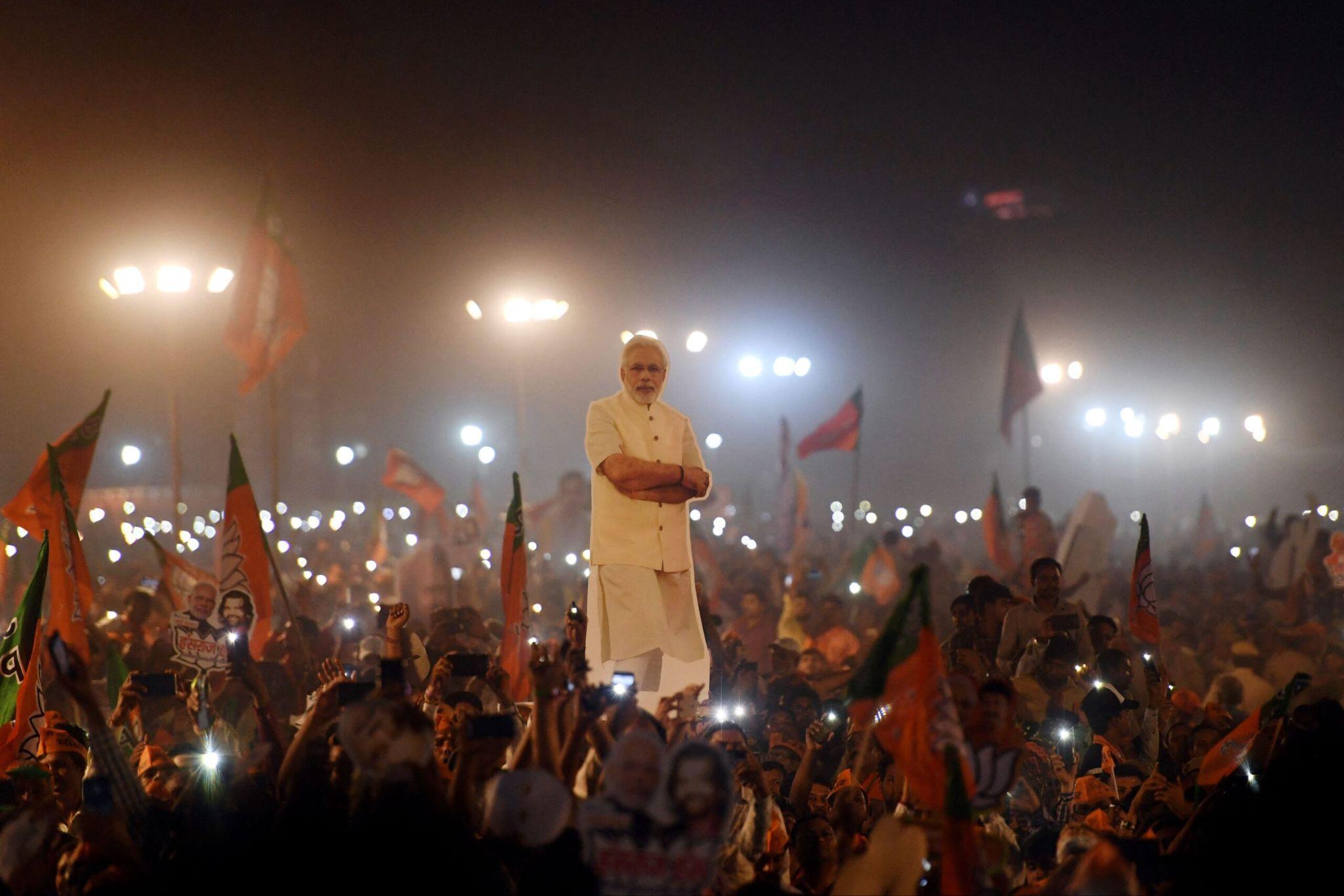 Why India’s Democracy Is Dying
Maya Tudor for Journal of Democracy
“Yet democracy watchdogs agree that today India resides somewhere in a nether region between full democracy and full autocracy. While democracy-watching organizations categorize democracies differently, they all classify India today as a ‘hybrid regime’—that is, neither a full democracy nor a full autocracy. And this is new. In 2021, Freedom House dropped India’s rating from Free to Partly Free (the only remaining category is Not Free). That same year, the Varieties of Democracy (V-Dem) project relegated India to the status of ‘electoral autocracy’ on its scale of closed autocracy, electoral autocracy, electoral democracy, or liberal democracy. And the Economist Intelligence Unit moved India into the ‘flawed democracy’ category on its scale of full democracy, flawed democracy, hybrid regime, and authoritarian regime. India’s democratic downgrading moved 1.4 billion of the world’s 8 billion people into the category of autocratizing countries.”
Papers & Reports
 India Must Be Held Accountable for Religious Freedom Violations
United States Commission on International Religious Freedom
“Under the BJP-led government, Indian authorities have failed to prevent, investigate, or punish egregious mob violence against Muslims and Christians. Such vigilante violence is often predicated on enforcing the Indian government’s strict anti-conversion laws predominately targeting Christians and other religious minorities. Authorities have also forcefully expelled Muslim citizens in Assam under the National Register of Citizens (NRC) and Citizenship Amendment Act (CAA). Space for civil society has additionally diminished under the ruling BJP government, with pending amendments to the Financial Contributions Regulation Act (FCRA) threatening the ability of faith-based organizations to continue their operations in the country.”
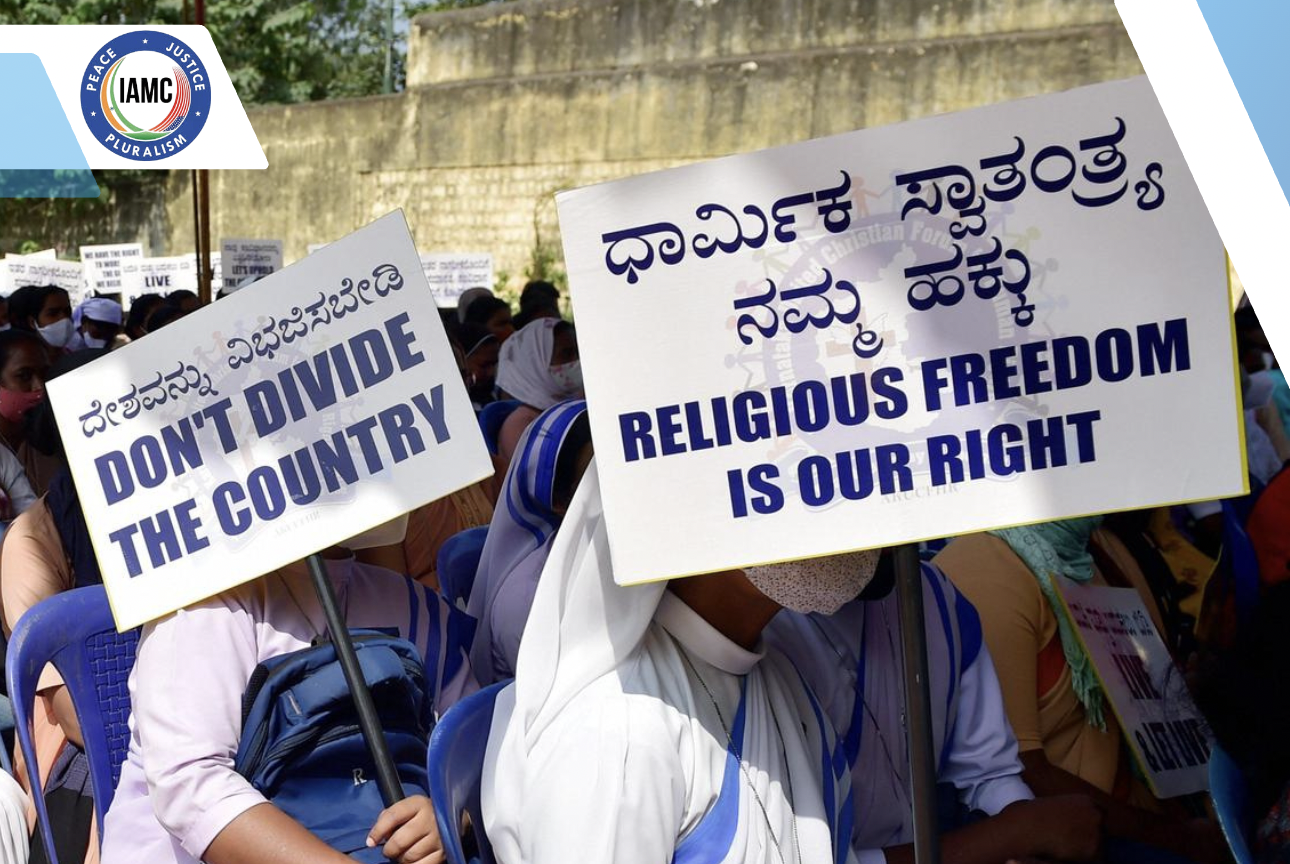 India’s Blasphemy Law
Indian American Muslim Council
“India retains a colonial-era blasphemy-type provision, long codified as Section 295A of the Indian Penal Code (IPC) and, since 1 July 2024, re-enacted in nearly identical terms as Section 299 of the Bharatiya Nyaya Sanhita (BNS), 2023. The provision criminalizes ‘deliberate and malicious’ acts ‘intended to outrage the religious feelings’ of any class of citizens, punishable by up to three years’ imprisonment, a fine, or both. It is a cognizable, non-bailable, and non-compoundable offense, meaning police may arrest on the basis of a complaint without a warrant, bail is not a matter of right, and the complainant cannot simply withdraw the case.”
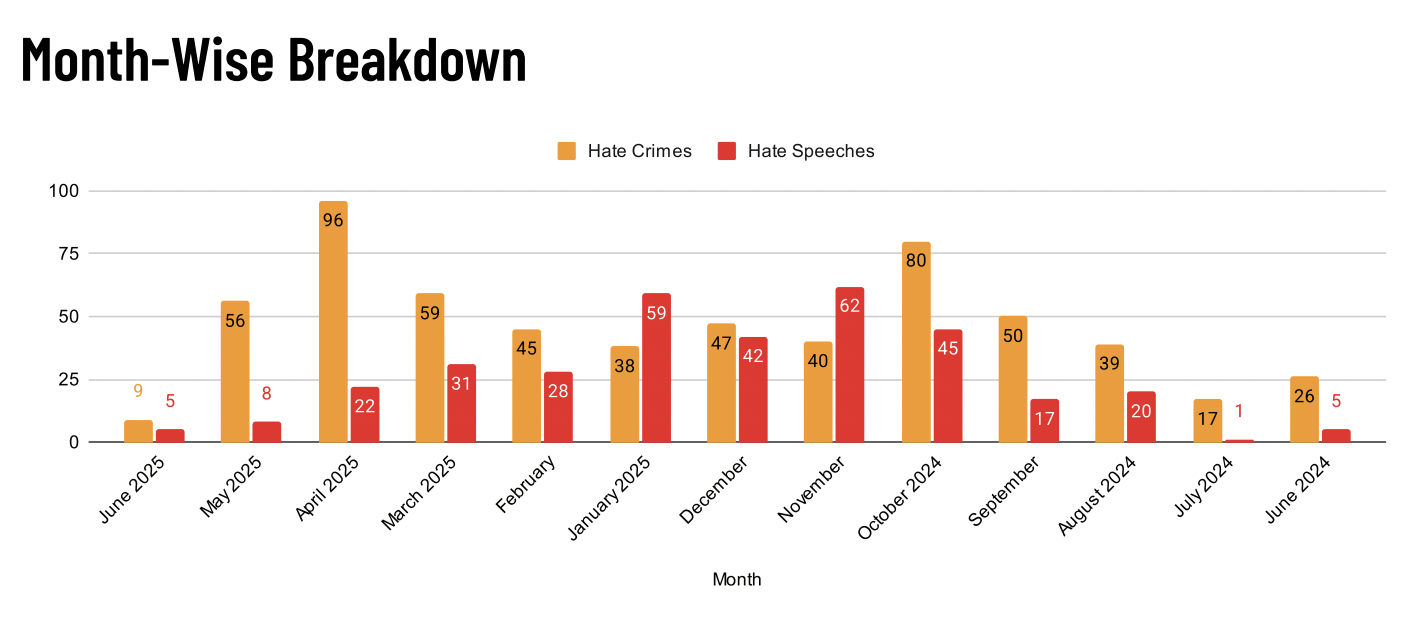 Mapping First Year of Modi’s Third Government
Association for Protection of Civil Rights
“It is normal for at least 80 hate crimes to be recorded in a month. These 80 would consist of 40 hate crimes and 40 hate speeches. However, if either of the two categorizations of hate crime incidents hits 50, it is considered a departure from the normal pattern and a spike. These spikes in hate crime incidents can either be motivated by a local anomaly or a national event.”
Books
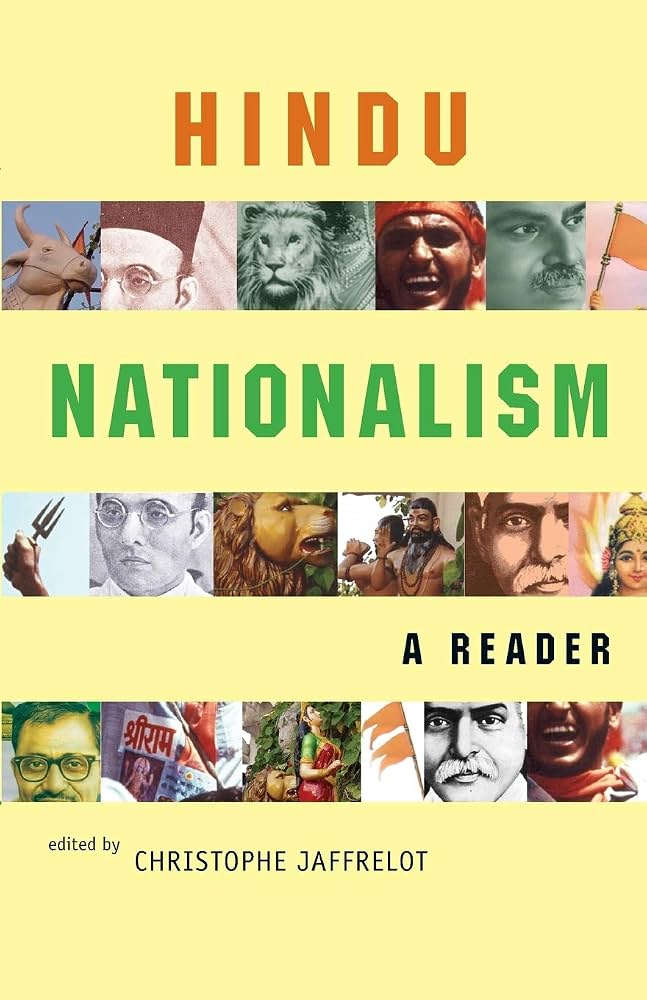
Hindu Nationalism: A Reader
by Christophe Jaffrelot
Spanning more than 130 years of Indian history and including the writings of both famous and unknown ideologues, this reader reveals how the "Hindutuva" movement approaches key issues of Indian politics. Covering such important topics as secularism, religious conversion, relations with Muslims, education, and Hindu identity in the growing diaspora, this reader is deeply useful for anyone wishing to understand contemporary Indian politics, society, culture, or history.
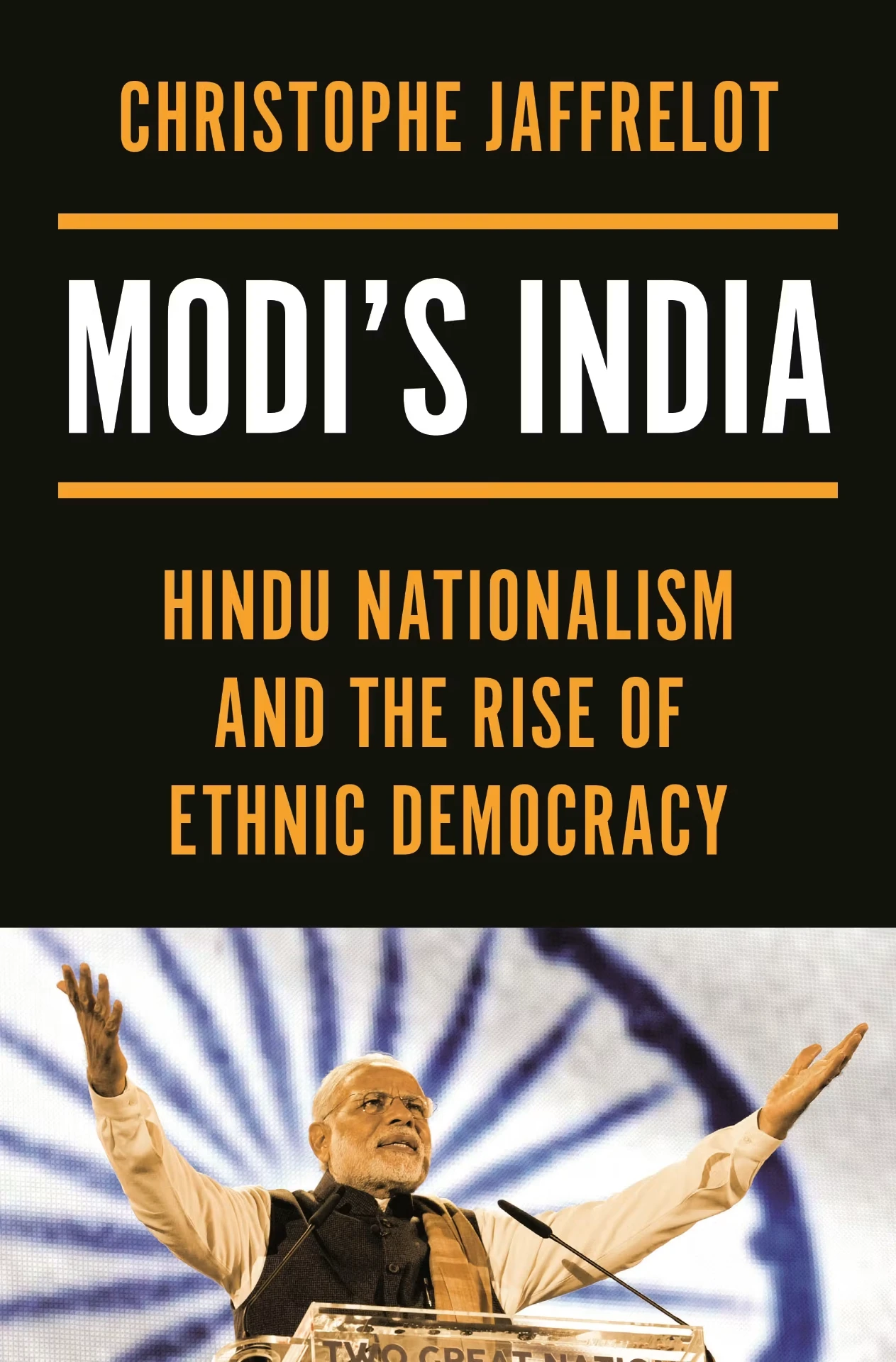
Modi’s India: Hindu Nationalism and the Rise of Ethnic Democracy
by Christophe Jaffrelot
Drawing on original interviews conducted across India, Christophe Jaffrelot shows how Modi's government has moved India toward a new form of democracy, an ethnic democracy that equates the majoritarian community with the nation and relegates Muslims and Christians to second-class citizens who are harassed by vigilante groups.
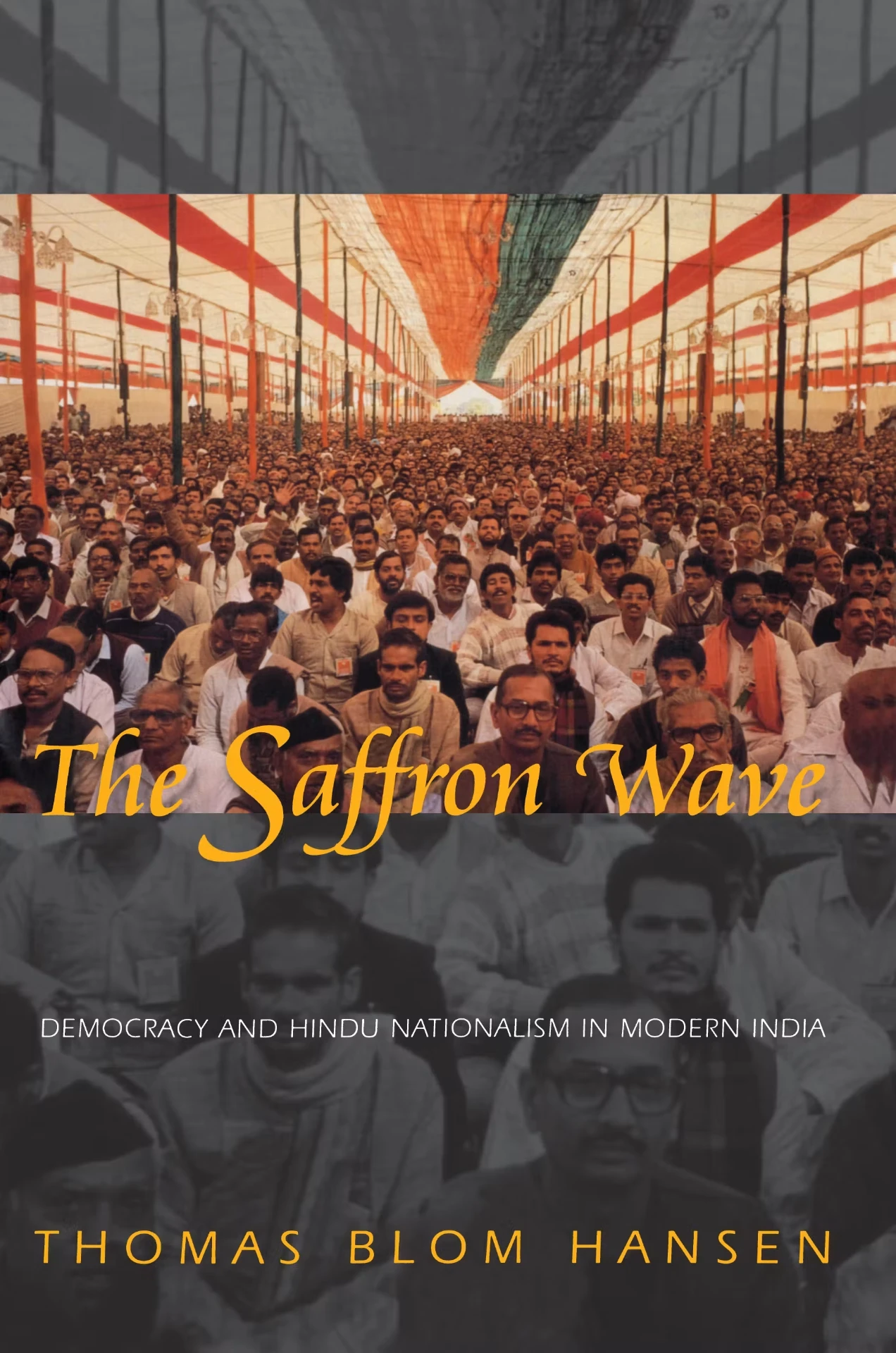
The Saffron Wave: Democracy and Hindu Nationalism in Modern India
by Thomas Blom Hansen
Thomas Hansen analyzes Indian receptivity to the right-wing Hindu nationalist party and its political wing, the Bharatiya Janata Party (BJP). Rather than interpreting Hindu nationalism as a mainly religious phenomenon, or a strictly political movement, Hansen places the BJP within the context of the larger transformations of democratic governance in India.
Watch & Listen
India: The Modi Question (2023)
This two-part documentary series by the BBC was banned in India in 2023 due to its critical look at Prime Minister Narendra Modi’s role in the 2002 Gujarat pogrom, as well as the impact of his regime on Muslims across India.
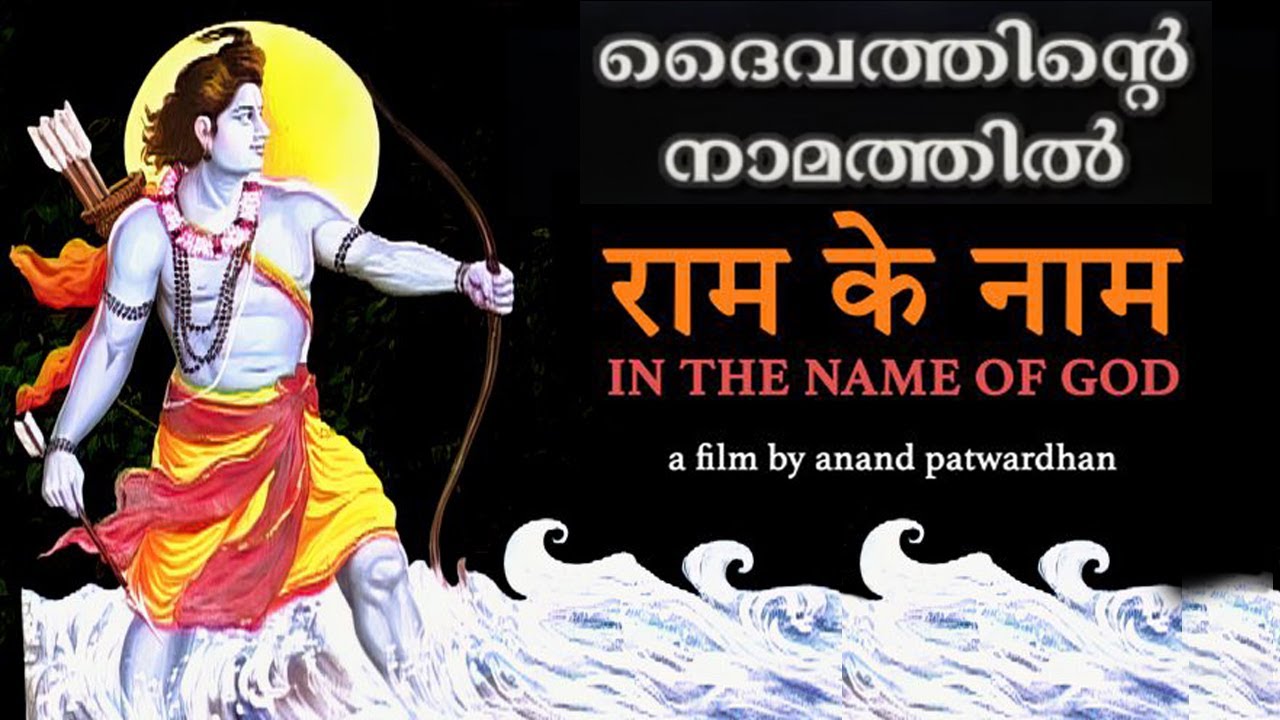
Ram Ke Naam (1992)
Ram Ke Naam / In the Name of God focuses on the campaign waged by the militant Vishwa Hindu Parishad (VHP) to destroy a 16th century mosque in Ayodhya, the Babri Masjid. Filmed prior to the mosque’s demolition, the documentary examines the motivations that would ultimately lead to the drastic actions of these Hindu militants, as well as the efforts of secular Indians of all creeds to combat the religious intolerance and hatred that seized India in the name of God.
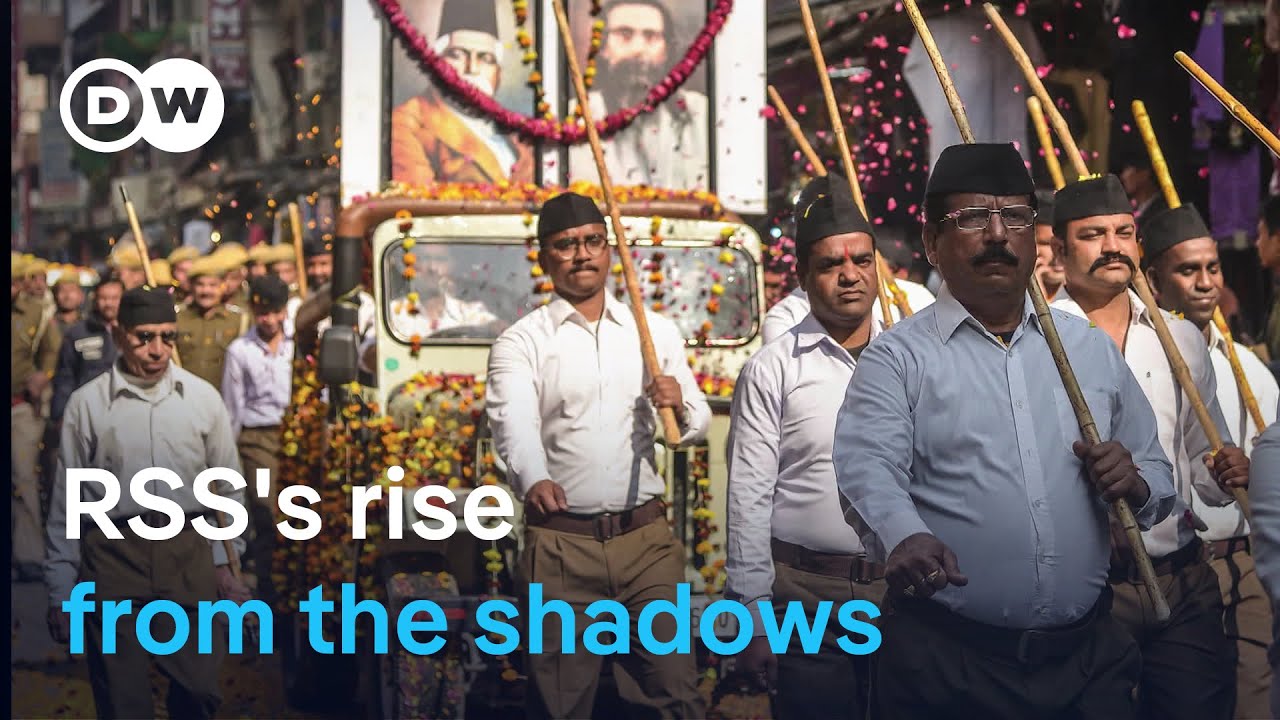
India at a crossroads - 100 years of the Hindu nationalist RSS movement (2026)
The documentary follows families, activists, and eyewitnesses who have been profoundly influenced by the RSS across generations, as well as those negatively impacted by its ideology. It reveals how the RSS, through discipline, rituals, and targeted youth training, is molding a new generation for whom "Hindutva" — the idea of a Hindu nation — is becoming a lived reality. At the same time, religious minorities and interfaith couples face increasing social pressures and uncertainty.
Have a recommendation?
Send us the reporting, books, and films that shaped your understanding of Hindutva and Indian democracy — we're building this list with our community.
Share a Resource →